
3 Self-Help Books to Build Better Habits
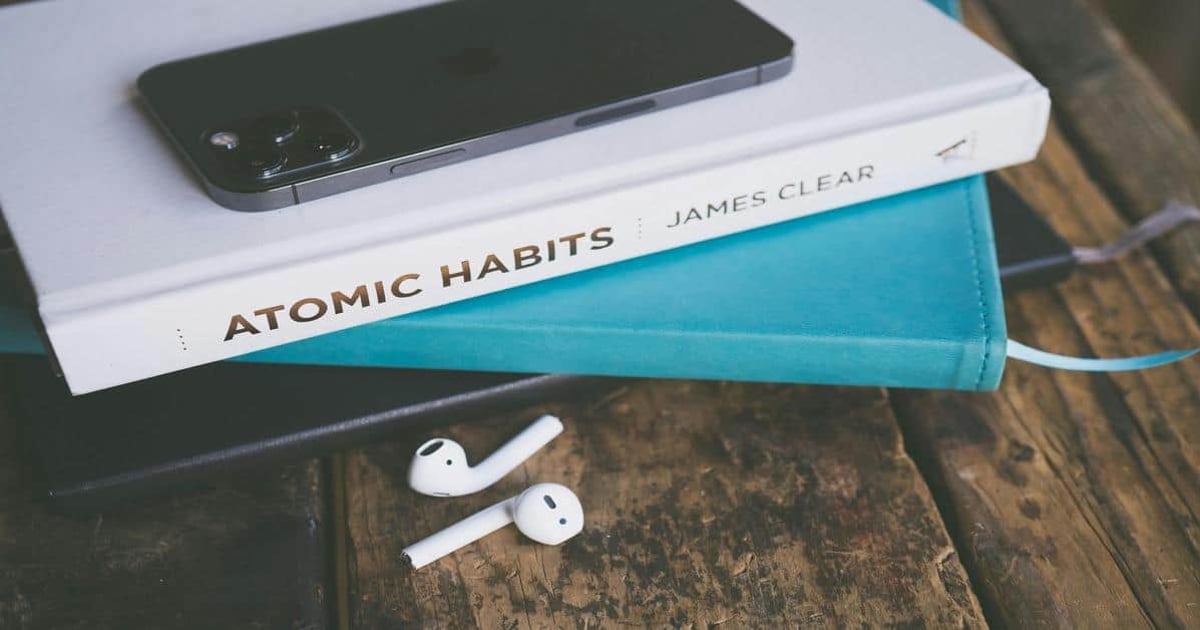
PHOTO BY JESSICA LEWIS ???? THEPAINTEDSQUARE ON PEXELS
Building better habits doesn’t have to feel overwhelming. With the right guidance, change becomes more manageable and lasting.
These three self-help books break habit-building into simple, proven strategies. Whether you struggle with motivation or consistency, each title offers clear, practical steps that fit easily into daily life—no complex systems, just smart tools for real improvement.
Atomic Habits by James Clear
James Clear explains how small changes create big results. His four laws—make it obvious, attractive, easy, and satisfying—form the core of habit change.
The book offers simple, practical advice to build good habits and break bad ones. Clear’s method focuses on repetition, identity-based habits, and environment design rather than relying on willpower alone.
Readers can apply these steps daily, making progress feel natural. It’s a clear, flexible system for anyone looking to improve steadily over time.
Watch the video below for a book review:
The Power of Habit by Charles Duhigg
Charles Duhigg reveals how habits function using the habit loop: cue, routine, and reward. This framework explains why habits form and how to shift them.
Rather than breaking bad habits, Duhigg suggests replacing the routine while keeping the same cue and reward. This makes change more sustainable.
The book blends research and storytelling to show how habits shape individuals and organizations. It’s insightful and practical.
If you want to know more, check out this review:
Tiny Habits by BJ Fogg
BJ Fogg encourages starting with habits so small they feel effortless. His approach focuses on tiny actions like doing one push-up or flossing a single tooth—simple enough to do anytime.
Each habit follows three steps: anchor it to an existing routine, keep it small, and celebrate immediately. This method removes pressure and builds momentum.
Fogg’s system shows that small wins stack up over time. With consistency and positive emotion, even the tiniest habits can lead to meaningful change.
Read the post below to find out what a reader thinks about the book: