
Mastering the Lingo: Fun British Slang Words to Know
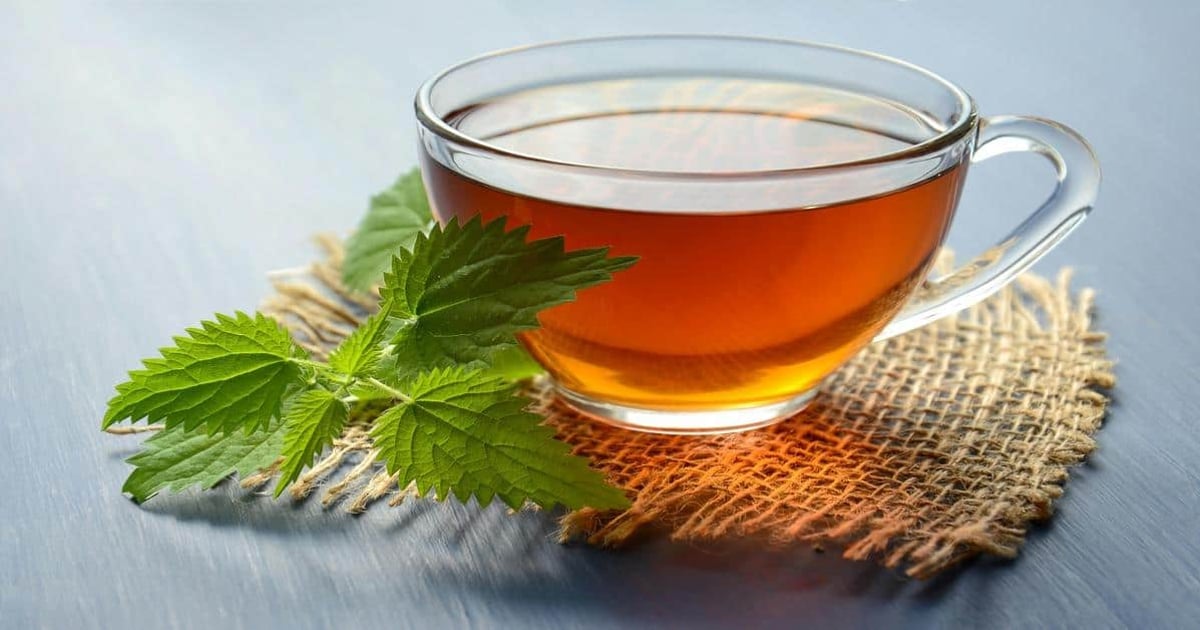
PHOTO BY MAREEFE ON PEXELS
Exploring British slang can be a delightful journey into the UK’s vibrant culture. Incorporating fun and quirky slang words can make conversations more engaging and provide insight into British humor and social dynamics.
From cheeky expressions to colorful phrases, learning these words will undoubtedly enhance one’s linguistic toolkit. Whether planning a trip or connecting with friends across the pond, this guide offers a selection of must-know slang terms.
Loo
In British slang, "loo" refers to the toilet. It's a term commonly used in everyday conversation.
When someone says they need the loo, they simply mean they need to use the restroom.
Fun facts:
- It’s thought to come from the French phrase “guardez l'eau” meaning "watch out for the water."
- It’s widely accepted and understood across the UK.
Variations exist, such as:
- Water Closet (WC) - a more formal term.
- Lavatory - often used in signs.
Using "loo" is casual and friendly. It reflects the lighter side of British slang, making bathroom talk a bit more pleasant.
Here’s an example of the word usage:
Bloke
In British slang, "bloke" is a casual term for a man. It’s similar to saying "guy" or "fellow."
The word is widely used in various contexts, from friendly conversations to more informal settings. Here are some examples:
- Common Usage: "He's a good bloke."
- In Situations: "That bloke at the pub was funny."
"Bloke" can imply friendliness or camaraderie and is often used affectionately. It's understood across the UK and by many fans of British culture.
See this post and check out other examples using the word:
Cuppa
In British slang, a "cuppa" refers to a cup of tea. It’s a staple in many households and often serves as a social centerpiece.
People use the term casually. For example, one might say, “Fancy a cuppa?” inviting someone to share a moment over tea.
Check this video for an elaboration:
A cuppa represents more than just a drink; it’s a time to relax or connect with others.