
Word Counter — word and character counting tools for writers and students.

Meeting The Word Count

How To Write More

See Our Latest Blogs

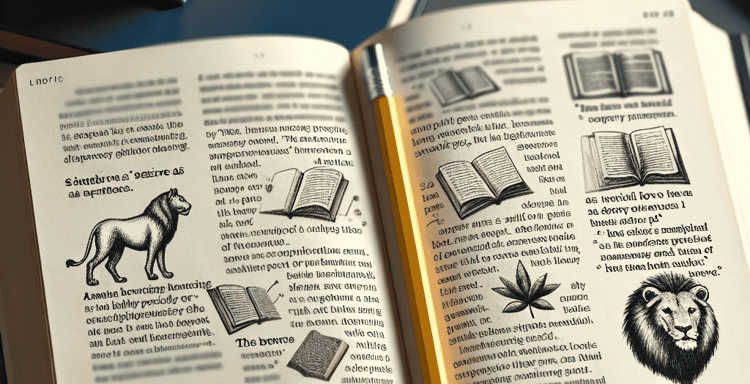
Large open book with detailed text in a study room setting.
Word Counts

14 of the Longest Words in English

Are you intrigued by lengthy words in the English language? In this article, we'll explore 14 of the longest English words that will amaze you. These words, which range from amusingly long to downright mind-boggling, showcase the breadth and flexibility of the language. You'll discover words that have made their way into dictionaries, as well…

By Alan Reiner ·
READ MORE ›
Woman pointing finger at man with tense expression.
Word Counts

15 Logical Fallacies: Definitions and Examples

In the world of argumentation and critical thinking, understanding logical fallacies is essential. Logical fallacies are errors or flawed reasoning that can weaken arguments and lead to faulty conclusions. By familiarizing yourself with these fallacies, you will be better equipped to challenge flawed arguments and construct sound ones. This article will present 15 common logical…

By Alan Reiner ·
READ MORE ›
Library, bookshelves, reading, literature, knowledge, ancient books, imagination, vast collection, research, study.
Word Counts

28 Common Literary Devices to Know

As you delve into the world of literature, understanding common literary devices is essential. These tools, such as metaphors and similes, add depth and artistic value to a piece of writing, allowing you to better grasp the author's intentions. To expand your knowledge of literary devices, it's crucial to study their definitions and concepts. Familiarizing…

By Alan Reiner ·
READ MORE ›
Accurate word counter for writing and editing text, with highlights of word count and readability.
Word Counts

A Guide to Themes in Writing and Literature

In the realm of writing and literature, themes help convey the universal messages and underlying meanings within a story. A theme is not about the story's literal details, such as its characters or settings, but rather focuses on the underlying message the story communicates to its readers. As you immerse yourself in different literary works,…

By Alan Reiner ·
READ MORE ›
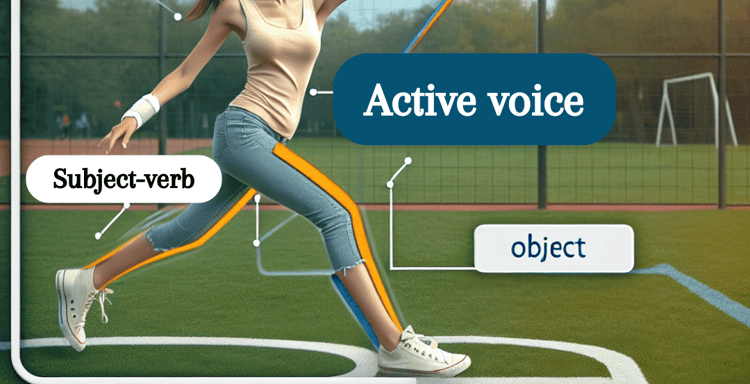
Alt text: Illustration showing subject, subject-verb, object, and active voice concepts on a sports field.
Word Counts

Active vs. Passive Voice: What's The Difference?

In the world of grammar, understanding the difference between active and passive voice is vital to producing clear and concise writing. The active voice highlights the person or thing performing the action, placing emphasis on the subject. For example, "You wrote the report" conveys a direct and energetic tone with you as the subject. On…

By Alan Reiner ·
READ MORE ›
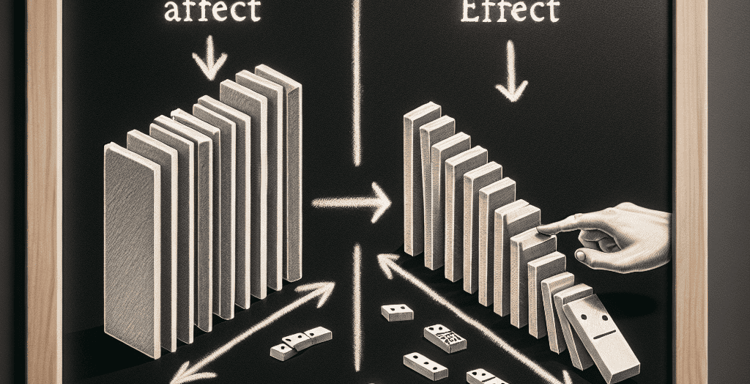
Dominoes falling with effect and affect labels on a black background.
Word Counts

"Affect" vs. "Effect": What's The Difference?

As a writer, you might often find yourself in a situation where you need to choose between "affect" and "effect" while crafting your sentences. Understanding the difference between these commonly confused homophones is essential to ensure the clarity of your writing. A key distinction exists between these two words since they serve different parts of…

By Alan Reiner ·
READ MORE ›
Digital art of a man contemplating in a library filled with Islamic symbols and artifacts, emphasizing knowledge and culture.
Word Counts

Allusion Explained, With Examples

Allusion is a powerful literary device that adds depth and meaning to a piece of writing by referencing a person, place, event, or another text outside the story. As a reader, encountering an allusion brings a certain satisfaction, like discovering a hidden gem or understanding a secret code. These references not only engage the reader's…

By Alan Reiner ·
READ MORE ›
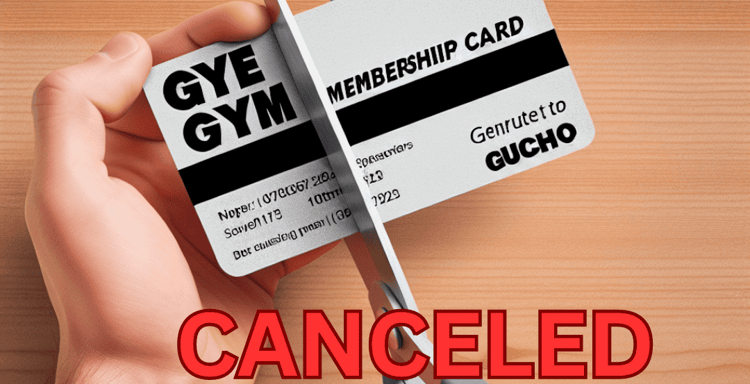
Scissors cutting canceled gym membership card, symbolizing termination or cancellation of gym membership.
Word Counts

Canceled or Cancelled: Which Is Correct?

You may have encountered the words "canceled" and "cancelled" and wondered which is correct. The truth is, both spellings are technically accurate. The distinction lies in the English dialect used, as each spelling is favored in different regions. In American English, "canceled" with one "l" is the preferred spelling, as well as "canceling" for the…

By Alan Reiner ·
READ MORE ›
Overwhelmed woman with books and clock, stressed about deadlines and word count, in a busy workspace.
Word Counts

5 Ways to Use a Semicolon: Examples

Semicolons are often misunderstood and underused punctuation marks in English writing. When used correctly, they can significantly improve the clarity and flow of your writing. In this article, we will explore five different ways to use a semicolon, with examples to help you understand their proper application. You might be wondering when and where to…

By Alan Reiner ·
READ MORE ›
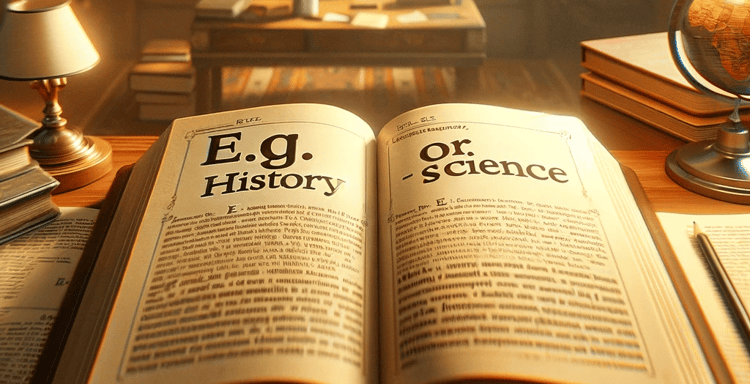
Open book with history and science headings on a desk in a cozy library setting.
Word Counts

E.g. vs. I.e.— What's The Difference?

When it comes to writing, certain abbreviations can help you convey your message clearly and concisely. Two such abbreviations, often misused and confused, are "e.g." and "i.e." Knowing the difference between these abbreviations and their appropriate usage is essential to ensure that your writing remains accurate. In the simplest terms, "e.g." is Latin for "exempli…

By Alan Reiner ·
READ MORE ›
Woman preparing breakfast with coffee and cereal, man hanging clothes in modern kitchen.
Word Counts

Everyday vs. Every Day: Differences Explained

In the world of grammar, small variations can make a big difference in meaning. One such example is the distinction between "everyday" and "every day." "Everyday" is an adjective that describes something commonplace, ordinary, or occurring on a daily basis. On the other hand, "every day" is a phrase that indicates something happens each day,…

By Alan Reiner ·
READ MORE ›
Figurative Language Examples: 5 Common Types
Word Counts

Figurative Language Examples: 5 Common Types

Figurative language breathes life into written and spoken communication, imbuing it with vivid, evocative imagery. By harnessing the power of these non-literal expressions, you can enhance your storytelling and add depth to your writing. This article will teach you how to employ the 5 most common types of figurative language effectively. To begin, it's essential…

By Alan Reiner ·
READ MORE ›
DISCLAIMER
The word count and text analysis tools provided on word-counter.com are intended for general informational purposes only. While we strive to provide accurate and reliable software, we make no representations or warranties of any kind, express or implied, regarding the accuracy, adequacy, validity, reliability, or completeness of any calculation or data produced by this tool. Users are encouraged to verify critical counts against specific requirements (such as academic or publishing guidelines) independently. Use of this site is strictly at your own risk.